How to Stock a Small Pantry for One Person: A Beginner's Checklist
A practical checklist for setting up a pantry that suits one person: what to buy, how to store it, and a simple rotation system that keeps food moving instead of sitting.
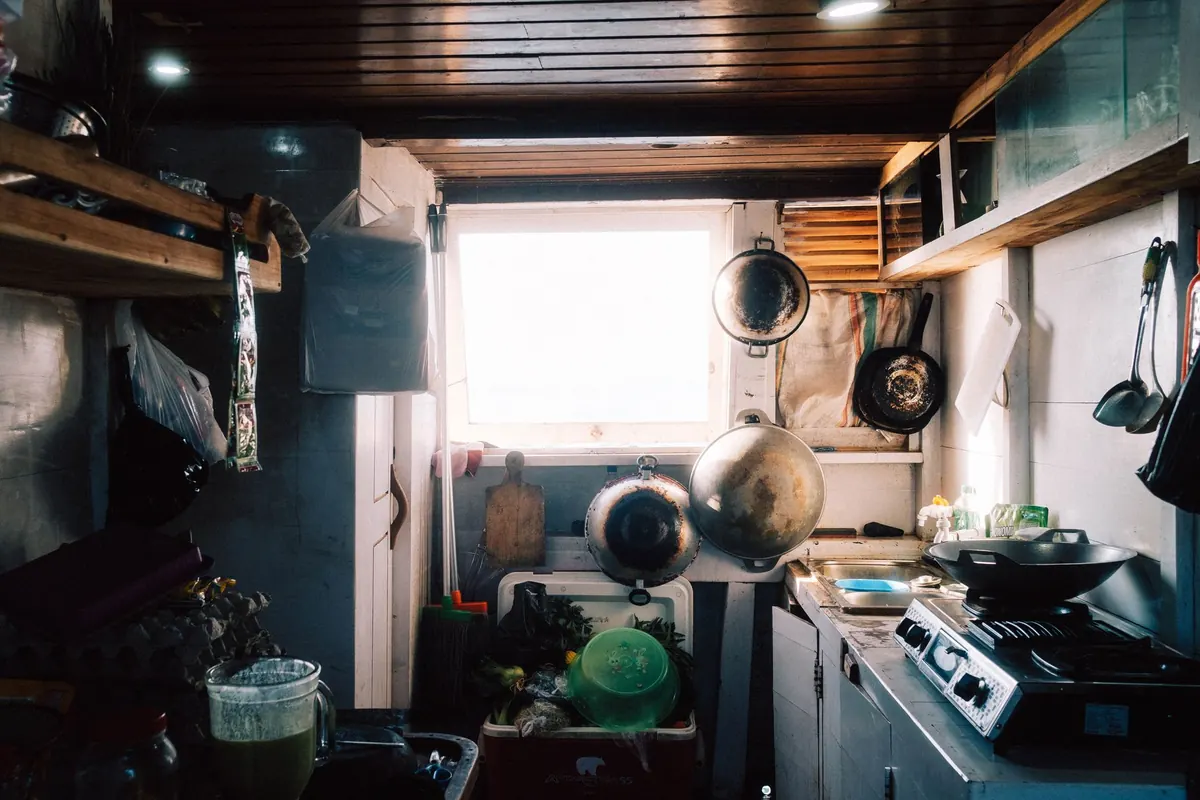
A pantry built for a family of four makes no sense when you cook for one. You end up with a cupboard full of half-used bags, a tin of something bought for a recipe you have since forgotten, and flour that has quietly gone past its best. A solo pantry is actually easier to run than a big one. It just needs to be smaller, more deliberate, and set up so that things move through it instead of settling in.
Start With the Meals You Actually Cook
Before you buy anything, write down the ten or so meals that show up in your normal week. Not the ones you aspire to make, the ones you genuinely eat: pasta with a tin of tomatoes, rice with beans and whatever vegetable is in the fridge, porridge, a tray of roasted vegetables, a quick curry from a jar of paste.
That list tells you what your pantry needs to hold. If you never bake, you do not need three types of flour. If you eat rice four nights a week, buy rice in a size that makes sense. If you make a curry once a month, one jar of paste is enough and a second will probably expire before you get to it.
Two weeks of noting what you reach for is more useful than any generic starter list, including this one.
The Core Shelf: A Realistic Starter List
These are the things that earn their place in most small kitchens. Treat it as a menu to choose from rather than a shopping list to complete in one go.
- Grains and starches: rice, dried pasta, oats, couscous or bulgur, a couple of potatoes and onions that live outside the cupboard
- Tins and jars: chopped tomatoes, chickpeas, white beans, tuna or sardines, tomato paste, coconut milk
- Fats: olive oil, a neutral oil for high heat, a small block of butter
- Acids and sauces: vinegar, soy sauce, mustard, hot sauce, lemon or lime juice
- Seasoning: salt, black pepper, paprika, cumin, chilli flakes, curry powder, dried oregano, bay leaves, stock cubes
- Extras that stretch a meal: nuts, seeds, dried fruit, honey, peanut butter
Notice what is missing: six kinds of vinegar, a lifetime supply of lentils, and anything you bought because it looked good on a shelf. One person eats slowly. A pantry that is too ambitious becomes a pantry that throws food away.
Buy in Formats That Match One Appetite
The single biggest mistake in a solo pantry is size. A five-kilogram bag of pasta is only a bargain if you finish it while it is still good, and the same goes for that enormous jar of paprika.
Where you can, buy small and buy often. Refill shops and bulk bins are ideal here, because you can take home 100 grams of a spice you are curious about instead of a whole jar. If a large bag is dramatically cheaper and you know you will use it, split it with a friend or decant half into a jar and keep the rest sealed in the freezer.
Your freezer counts as pantry space. Bread, nuts, extra herbs, leftover tomato paste and half a tin of coconut milk all keep better there than in a cupboard, and none of them take up much room.
Store It So It Lasts
Good storage is mostly about three things: air, light and pests.
Containers
Move dry goods out of floppy bags and into airtight jars or square containers as soon as you get home. You can see how much you have left, nothing spills, and moths and beetles have a much harder time getting in. Label anything that is not obvious, and add the date you opened it.
Placement
Keep the main shelf in a cool, dark spot away from the oven and the kettle. Olive oil goes in a dark cupboard rather than beside the hob, where heat speeds up its decline. Whole spices last far longer than ground ones, so if you use cumin often, buy the seeds and grind what you need.
Shelf life, honestly
Ground spices lose their punch within a year or so. Smell them before you cook: if the aroma is faint, the flavour will be too. Nuts and whole grains turn rancid faster than you expect, so keep them in smaller amounts. If you have had pantry moths before, a few days in the freezer when you bring flour or grains home can help head off a repeat.
A Rotation System With Almost No Effort
Rotation is just a habit of using the oldest thing first. It takes a few minutes to set up and almost no time to maintain.
- When you unpack shopping, put the new items behind the old ones on the shelf.
- Keep a small basket or tray at the front for anything that needs using soon: an opened bag of seeds, the last of a jar, a tin close to its date.
- Write the date on anything you decant. Your memory of when you opened that jar is worse than you think.
- Once a month, take five minutes to look at the back row. Anything you have not touched in months is a signal to either cook with it or stop buying it.
That front-row basket is the whole system. It turns "I forgot that was there" into dinner.
Turning Small Amounts Into Real Meals
A pantry for one works best when you think in formulas rather than recipes. A grain, a tin, a fat, an acid and something fresh will get you a decent meal most nights. So will a jar of paste, a tin of coconut milk and whatever vegetables are left in the drawer.
Keep a few finishing touches that make plain food taste deliberate: good vinegar, chilli flakes, a lemon, a hard cheese rind for soup, a spoonful of mustard in a dressing. These do more for a solo kitchen than another gadget.
Cook once and eat twice where it suits you. A pot of beans or a batch of tomato sauce costs little more effort than a single portion and gives you two or three meals that need only reheating.
If you are managing an allergy, an intolerance or a condition that affects what you eat, follow the advice you have been given rather than a general checklist like this one.
Build It Slowly, and Let It Change
You do not need to fill a cupboard in one shop. Start with the grains, tins and seasoning you know you will use, then add one new thing each time you buy groceries. Within a couple of months you will have a pantry shaped by your own cooking rather than by someone else's idea of a well-stocked shelf.
Review it at the end of each season. Notice what you finished and what is still sitting there, and adjust. A small pantry that fits one person is not a compromise. It is simply the right size.
Photo: Fabian Reck / Pexels